How long does an EICR last?
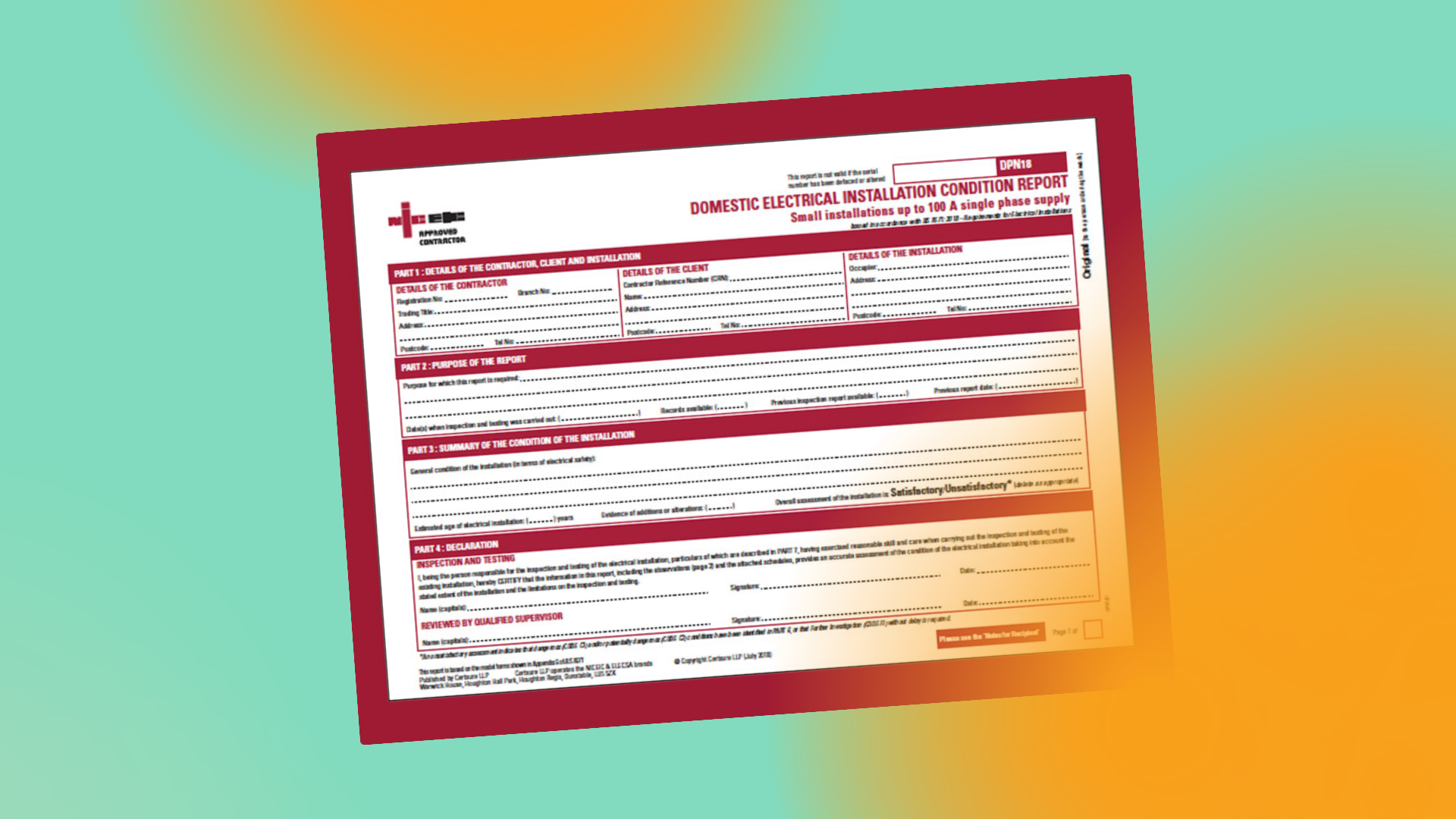
The Electrical Installation Condition Report (EICR) is the MOT of your property’s electrical system. In the UK, the rules around how long these certificates last are no longer just best practice, they are tied to strict legal deadlines and safety standards that vary depending on who you are.
As of 2026, the landscape has shifted, particularly for landlords and businesses, with tighter enforcement and new qualification requirements for the engineers carrying out the tests.
Critical Note: Your certificate is only valid until the "Next Inspection Date" written on the report. If an electrician deems the installation "high-use" or "aged," they may set an expiry of just 1 or 2 years.
For Landlords: The 2026 "Five-Year" Surge
If you are a landlord in England, Scotland, or Wales, you are legally required to have a valid EICR at all times.
- The 2026 Deadline: Many landlords first complied when the regulations became mandatory for existing tenancies in April 2021. This means Spring 2026 is the major five-year renewal milestone.
- The Risks: Letting a property without a valid EICR can result in local authority fines of up to £30,000 (rising to £40,000 in some regions/sectors from May 2026).
- Social Housing: As of 2026, the rules for social landlords have been fully aligned with the private sector, requiring 5-yearly checks and PAT testing for provided appliances.
For Homebuyers: Protecting Your Investment
While there is no law forcing a homeowner to have an EICR, it is becoming a standard part of the UK's home-buying process.
- Surveyor Limits: A standard RICS HomeBuyer survey only looks at the "visible" electrics. It won't tell you if the wiring inside the walls is a fire hazard.
- Negotiation Power: If an EICR reveals "C1" (Immediate Danger) or "C2" (Potential Danger) faults, you can use the estimated repair costs to negotiate the house price down.
- Safety Tip: If the house is more than 10 years old or has visible DIY electrical work, do not skip the EICR. The average cost of fixing hidden electrical issues after moving in is over £1,700.
For Companies & Businesses: Risk Management
For commercial properties, EICRs fall under the Electricity at Work Regulations 1989.
- Validity: Most offices and shops require an inspection every 5 years. However, industrial sites, laundrettes, or petrol stations often require testing every 3 years or even annually due to moisture, dust, or high-intensity usage.
- Insurance: Most commercial insurers will void your policy if a fire occurs and you cannot produce a valid, in-date EICR.
- 2026 Compliance Update: From October 2026, new UK regulations require that the individual person (not just the company) performing your EICR must hold a specific Level 3 qualification and have two years of documented experience
Understanding the Results
When your EICR is finished, it will be marked as Satisfactory or Unsatisfactory. If it's unsatisfactory, you'll see these codes:
- C1 (Danger Present): Risk of injury. The electrician may stay on-site to make it safe immediately.
- C2 (Potentially Dangerous): Urgent remedial work is needed.
- C3 (Improvement Recommended): Safe for now, but doesn't meet the latest "18th Edition" (BS 7671) standards.
- FI (Further Investigation): A potential problem was found that needs a deeper look
The 28-Day Rule: For landlords, any C1, C2, or FI faults must be repaired within 28 days to remain legal.


Social Landlords Must Now Publish Electrical Safety Data as New Tenant Satisfaction Measure Kicks In