New Electrical Safety Regulations for Social Housing in the UK: What You Need to Know
Electrical safety is paramount, especially within the social housing sector where residents may be more vulnerable. Recognising this, the UK government has introduced new regulations to enhance electrical safety standards in social housing, bringing it in line with the private rented sector. These changes aim to protect tenants and ensure that all social housing provides a safe and reliable environment.
This blog post will guide you through the key aspects of these new electrical safety regulations, outlining the responsibilities of social landlords and the implications for residents.
What are the New Electrical Safety Regulations?
The cornerstone of these new regulations is the Electrical Safety Standards in the Private Rented Sector (England) Regulations 2020, which have been extended to apply to social housing. This means that, similar to private landlords, social landlords must now adhere to specific electrical safety requirements.
The regulations require social landlords to:
- Ensure that Electrical Safety Standards are Met: The main goal is to confirm that the electrical installations in social housing meet the standards set out in the 18th edition of the IET Wiring Regulations (BS 7671:2018).
- Regular Inspections and Testing: Social landlords must ensure that electrical installations in their properties are inspected and tested by a qualified and competent person at least every five years.
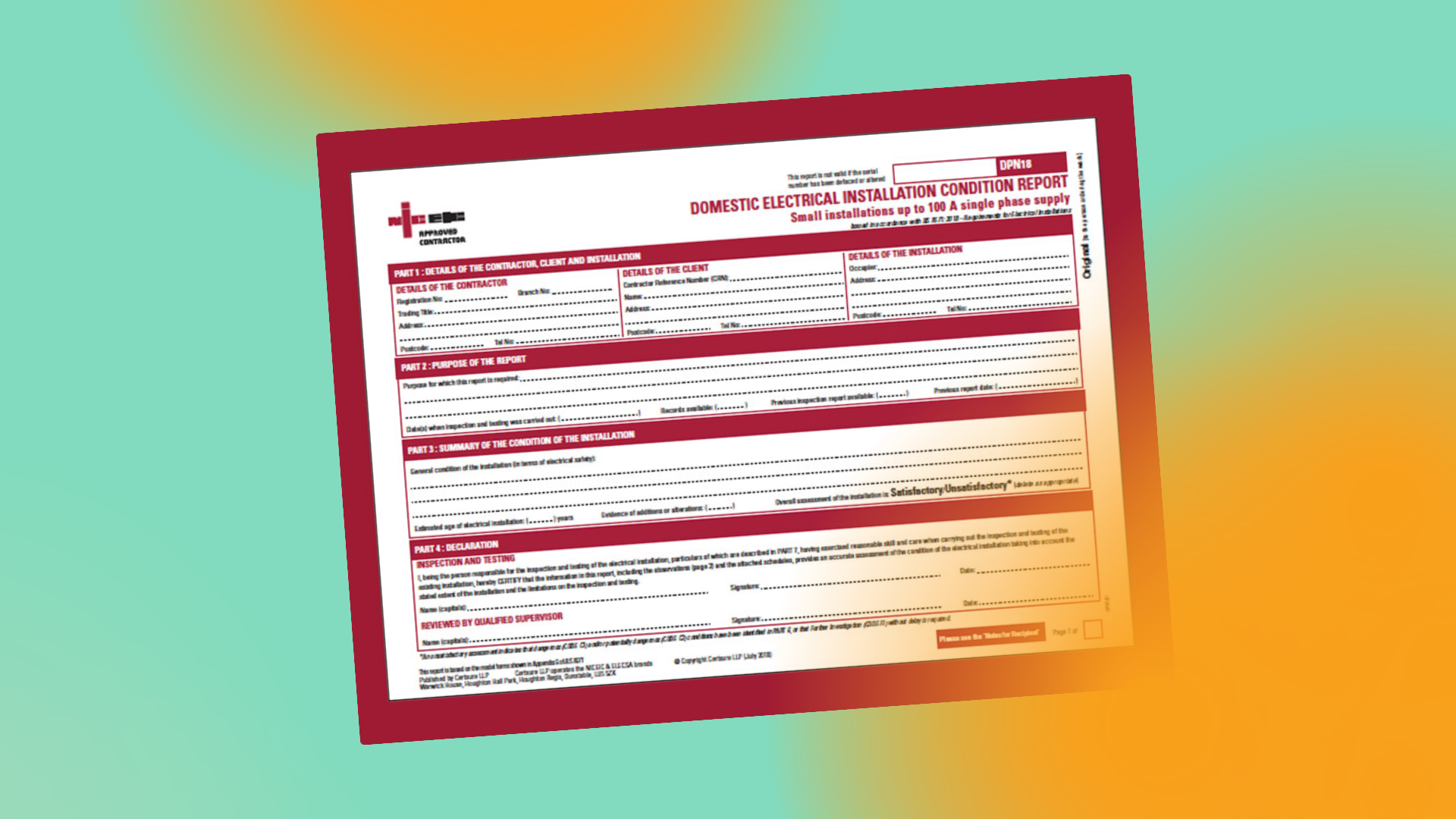
- Produce an Electrical Installation Condition Report (EICR): Following the inspection, the qualified person must produce an EICR, which assesses the safety and condition of the electrical installation.
- Action Remedial Work: If the EICR highlights any safety issues or urgent remedial work (rated as C1 or C2), the social landlord must ensure that this work is carried out within 28 days or any shorter period specified in the report.
- Provide Copies of the EICR to Tenants: Social landlords are required to provide a copy of the most recent EICR to:
- Existing tenants within 28 days of the inspection and testing.
- New tenants before they occupy the premises.
- Prospective tenants within 28 days of a request.
- The local authority if they request it.
Why Were the Regulations Changed?
The extension of these regulations to the social housing sector addresses several key concerns:
- Consistency across Tenures: Historically, electrical safety standards for social housing were often less stringent than those for the private rented sector. This extension ensures that all tenants, regardless of their tenure, have the same level of protection from electrical hazards.
- Preventing Electrical Accidents: Poorly maintained or unsafe electrical systems can lead to fires, electric shocks, and other serious accidents. The new regulations aim to prevent these incidents by identifying and addressing potential hazards.
- Improving the Quality of Social Housing: The regulations are part of a broader effort to improve the overall quality and safety of social housing stock across the UK.
Responsibilities of Social Landlords:
As a social landlord, it is your responsibility to:
- Identify Competent Persons: Hire qualified electricians who are registered with a recognised body (such as NICEIC, NAPIT, or ECA) to conduct the inspections and testing.
- Schedule Inspections: Ensure that inspections and testing are carried out every five years and that EICRs are up to date.
- Manage Remedial Work: Act on the findings of the EICR and promptly carry out any necessary remedial work.
- Keep Records: Maintain records of all inspections, testing, and remedial work carried out.
- Communicate with Tenants: Provide tenants with copies of the EICR as required and keep them informed about any safety work being done.
Tenants' Rights and Obligations:
As a social housing tenant, you have a right to live in a safe home. The new regulations empower you by:
- Entitling You to an EICR: You should receive a copy of the EICR, which confirms the safety of the electrical installation in your home.
- Requiring Safety Work: If the EICR indicates any safety issues, your landlord must fix them promptly.
- Allowing You to Request the EICR: If you have concerns about the electrical safety in your home, you can request a copy of the most recent EICR.
You also have an obligation to provide access to your home for the necessary electrical inspections and safety work.
What to Do if You have Concerns
If you are a social housing tenant and have concerns about electrical safety in your home, or if you believe your landlord is not complying with the new regulations, you should:
- Contact Your Landlord: Raise your concerns with your landlord or housing association first.
- Request an EICR: Ask your landlord for a copy of the most recent EICR.
- Contact Your Local Authority: If your landlord fails to address your concerns or comply with the regulations, you can contact your local authority. They have enforcement powers and can take action against landlords who ignore electrical safety requirements.


Social Landlords Must Now Publish Electrical Safety Data as New Tenant Satisfaction Measure Kicks In