HMO Landlord Compliance: What the Law Requires for Electrical, Fire and Water Safety
What HMO Landlords Are Legally Required to Do
Running a House in Multiple Occupation comes with a compliance burden that goes well beyond a standard buy-to-let. Because multiple unrelated households share the same building, the risks from fire, electrical faults, and waterborne bacteria are higher, and the law reflects that. Below is a straightforward breakdown of what is required, how often, and what is simply good practice.
Electrical Installation Condition Report (EICR)
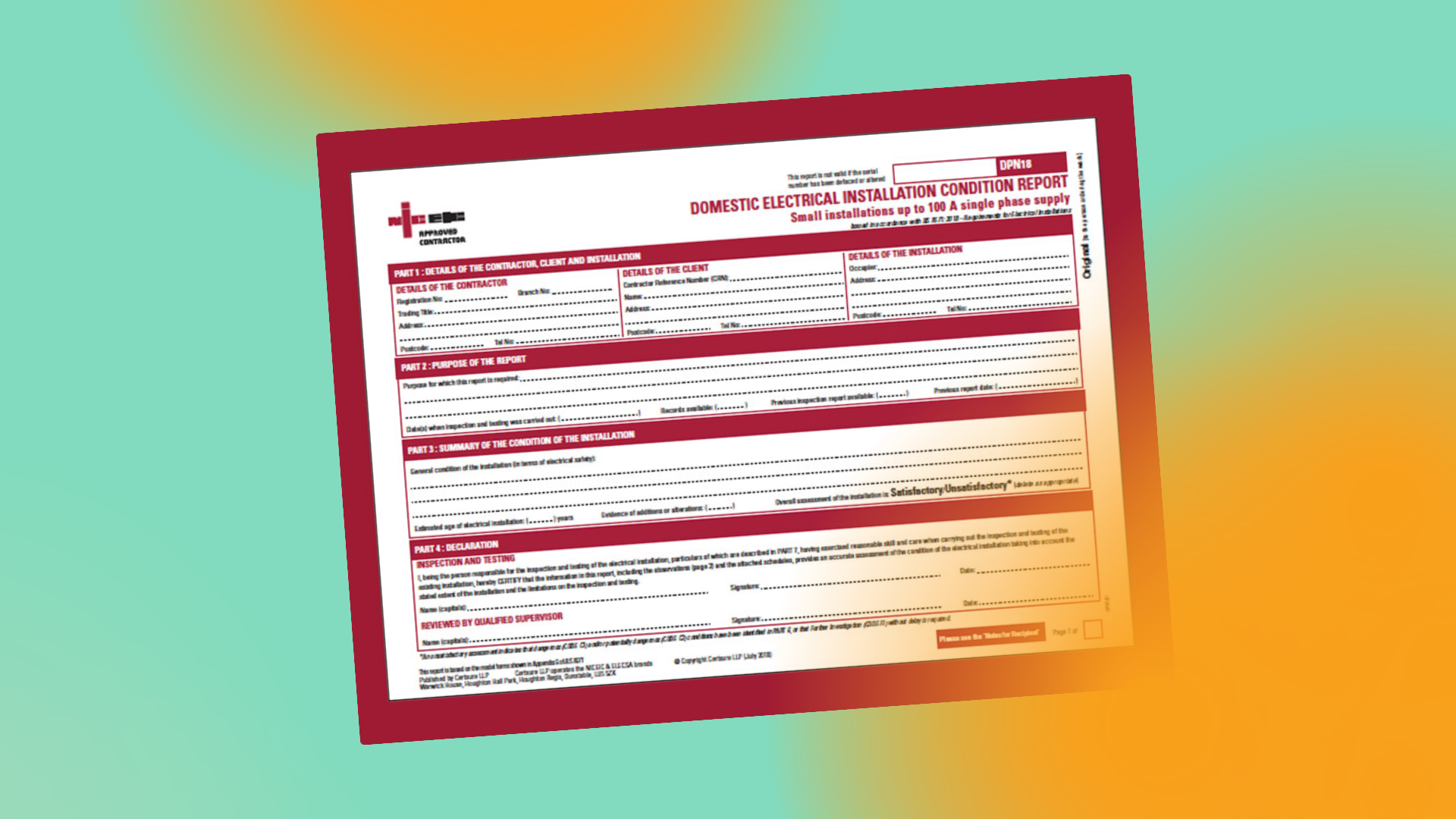
HMO landlords in England are legally required to hold a valid EICR at all times. The fixed wiring must be inspected and tested by a qualified electrician at least every five years. If the report identifies a Code 1 (danger present) or Code 2 (potentially dangerous) fault, remedial work must be completed within 28 days. A copy of the certificate must be given to tenants before they move in and to any existing tenant within 28 days of a new inspection.
The legal basis is the Electrical Safety Standards in the Private Rented Sector (England) Regulations 2020. Local authority fines for non-compliance can reach £30,000.
PAT Testing (Portable Appliance Testing)
PAT testing is not named explicitly in primary legislation, but for HMO landlords it is effectively mandatory. Most local councils require annual PAT testing as a condition of granting and maintaining an HMO licence. The duty to ensure supplied appliances are safe also sits within the Landlord and Tenant Act 1985 and the Electrical Equipment (Safety) Regulations 2016. Any appliance you provide as part of the tenancy, from washing machines to toasters, falls within scope. Annual testing is the accepted standard for demonstrating compliance.
Fire Alarm System
Simple battery smoke alarms are not sufficient for HMOs. The type of system required depends on the size and risk profile of the property, and your local authority licensing team will specify the exact grade required as part of the licence conditions.
Smaller, lower-risk HMOs typically require a Grade D, LD2 system: mains-powered, interlinked detectors with battery backup, covering hallways, landings, stairs, and kitchens. Larger or higher-risk HMOs often require a Grade A system with a central control panel, break glass call points, and professional installation to BS 5839-1.
Testing and maintenance obligations under BS 5839:
- Grade D systems: regular testing using the test button, recorded in a logbook, plus an annual service by a competent person
- Grade A systems: weekly zone tests, servicing every six months by a qualified engineer, with a formal inspection certificate issued after each service
Failure to comply with fire safety legislation can result in unlimited fines, up to two years in prison, and revocation of your HMO licence.
Emergency Lighting
Where emergency lighting is installed, it must be tested and maintained in line with BS 5266. For larger or bedsit-style HMOs this typically means monthly functional checks and an annual full discharge test carried out by a competent person. Records must be kept in a logbook. Local authorities may require this as a licence condition even for properties where it is not strictly mandated by legislation.
Fire Risk Assessment
Under the Regulatory Reform (Fire Safety) Order 2005, HMO landlords must carry out a fire risk assessment before letting the property and keep it under regular review. The assessment should identify fire hazards, evaluate the risks, and record the control measures in place, including means of escape, fire doors, and detection systems. It is best practice to review the assessment annually and whenever significant changes are made to the property or its occupancy.
Smoke and Carbon Monoxide Alarms
Since 1 October 2022, landlords in England must install a smoke alarm on every floor of the property and a carbon monoxide alarm in any room containing a fixed combustion appliance (this includes gas boilers). Both must be tested and confirmed as working at the start of each new tenancy. These requirements are set out in the Smoke and Carbon Monoxide Alarm (Amendment) Regulations 2022.
Legionella Risk Assessment
Under the Health and Safety at Work etc. Act 1974 and the Control of Substances Hazardous to Health Regulations 2002, HMO landlords have a legal duty to assess and manage the risk of Legionella bacteria in their water systems. You are not required to hold a formal Legionella certificate, but you must document that a risk assessment has been carried out and that any identified risks are being controlled. HMOs are higher risk than standard rentals due to shared water systems, higher tenant turnover, and the potential for low usage in certain rooms. Properties with cold water storage tanks, infrequently used showers, or complex plumbing should be assessed by a professional.
Gas Safety Certificate (CP12)
If the property has gas appliances, a Gas Safe registered engineer must carry out an annual safety check and issue a CP12 certificate. This is a legal requirement under the Gas Safety (Installation and Use) Regulations 1998. A copy must be given to tenants before they move in and to existing tenants within 28 days of a new check.
What Happens if You Do Not Comply
HMO licensing enforcement has increased significantly in recent years. Local authorities can issue civil penalties of up to £30,000 per offence, revoke your licence, issue a prohibition notice preventing occupation, or in serious cases pursue criminal prosecution. Non-compliance with fire safety legislation specifically carries the possibility of an unlimited fine and imprisonment.
The requirements listed here cover what the law expects as a baseline. If you are unsure whether your property meets current standards, the right starting point is your local authority licensing team and an up-to-date fire risk assessment carried out by a competent person.


Social Landlords Must Now Publish Electrical Safety Data as New Tenant Satisfaction Measure Kicks In