Smooth Sailing at Venues: Why Musicians and DJs Choose PAT (EET) Testing
Smooth Sailing at Venues: Why Musicians and DJs Choose PAT (EET) Testing
For working musicians and mobile DJs, the focus should always be on the performance. You want to arrive at the venue, set up your rig, and get the crowd moving.
However, many performers have experienced that moment when a venue manager asks to see equipment safety records before the load-in can begin. It is becoming increasingly common for hotels, wedding venues, and function rooms to ask for proof of PAT (Portable Appliance Testing) alongside Public Liability Insurance.
While the terminology and regulations can seem confusing, keeping your testing up to date is actually one of the best ways to protect your business, your equipment, and your reputation. Here is a look at why testing is so important for the entertainment industry and why the language is shifting to EET.
1. Proving Your Equipment is Safe
There is often confusion regarding the law and electrical testing. It is true that there is no specific "PAT Testing Law" that demands you inspect your gear every 12 months.
However, under the Electricity at Work Regulations 1989, anyone using electrical equipment for work (including self-employed performers) has a responsibility to ensure that equipment is maintained in a safe condition.
This is where testing becomes your best ally. By having your equipment inspected by a competent person, you are creating a paper trail. You are actively demonstrating that you are looking after your gear and taking your safety responsibilities seriously. It turns a subjective opinion ("I think my amp is safe") into objective proof.
2. Opening Doors at Venues
Venues have their own safety policies to adhere to. Venue managers are responsible for everyone in the building, and they need to ensure that any external equipment brought onto the premises does not pose a fire risk or electrical hazard.
Because of this, many venues make valid electrical testing a condition of booking. They view a current test certificate as a "passport" for your equipment.
Having your kit tested and labeled means you can walk into any venue with confidence. It saves time, prevents awkward conversations at the door, and shows the venue management that you are a conscientious professional.
3. The Move from PAT to EET
You may have noticed the industry updating its terminology from PAT to EET (Electrical Equipment Testing), following recent updates to the IET Code of Practice.
This change is actually quite helpful for musicians and DJs. The word "Portable" in PAT was often confusing. It led some to believe that heavy items or equipment that stays plugged in might not need checking.
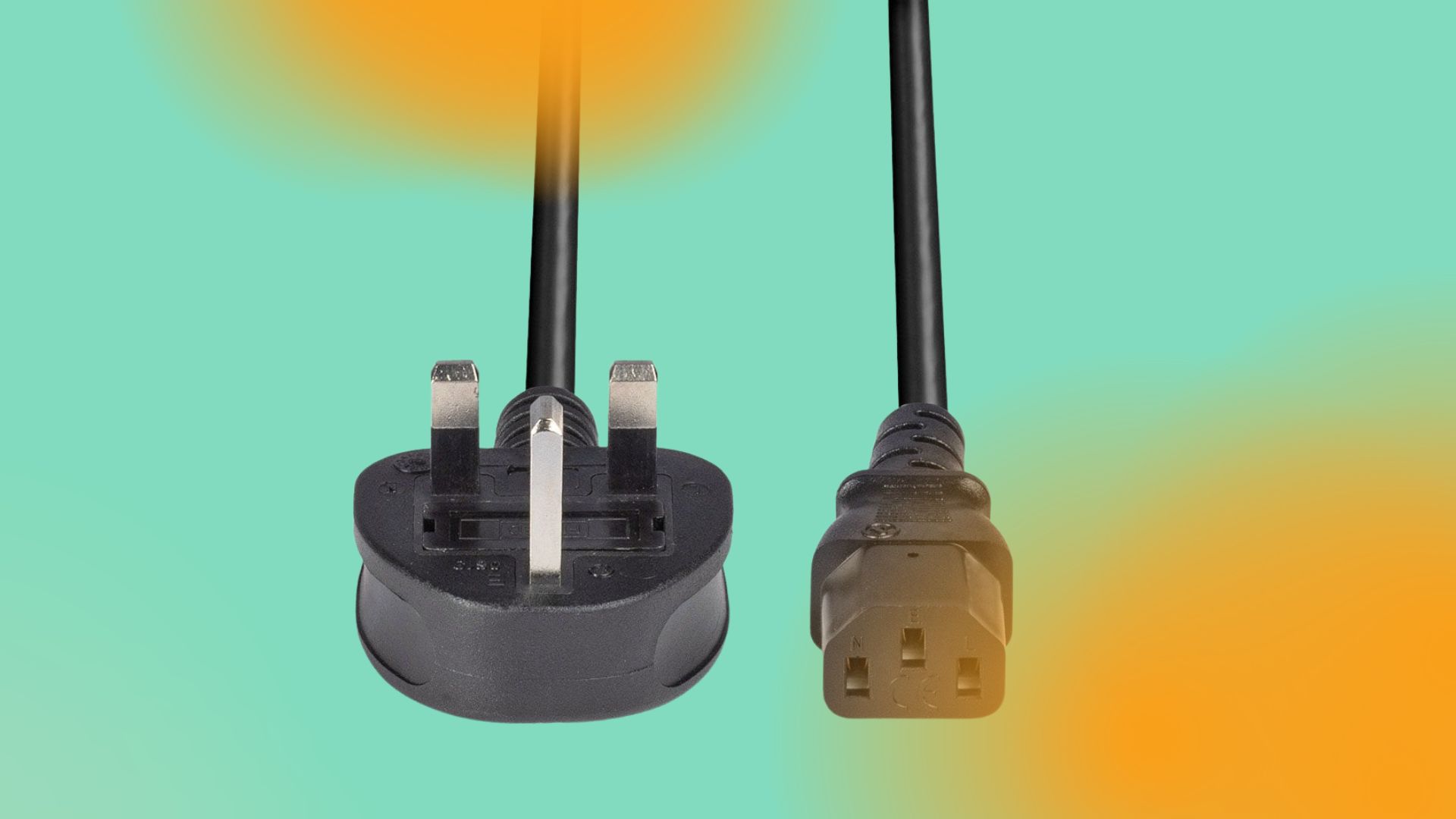
EET is a broader term that covers all electrical equipment in service. For a DJ or a band, this includes everything from the laptop charger and IEC leads right up to the lighting bar, smoke machine, and heavy power amplifiers. It clarifies that if it plugs into the mains, it needs to be part of your safety maintenance routine.
4. Protecting Your Gear and Yourself
The life of a gigging musician is tough on equipment. Gear is loaded in and out of vans, moved from cold air to hot stages, and often exposed to drinks or humidity.
This wear and tear can lead to internal damage that isn't visible on the outside. A loose earth wire inside a metal-cased microphone amplifier, for example, could be dangerous if not detected.
Professional testing goes beyond a quick visual check. It uses specialized equipment to test the internal integrity of the unit. This helps spot potential faults before they turn into equipment failures mid-gig, saving you from expensive repairs or embarrassed silences on the dancefloor.
5. Supporting Your Insurance
Most professional performers carry Public Liability Insurance (PLI). This is vital for protecting yourself against claims if an accident happens.
Insurance policies generally expect you to take reasonable care of your property. If an electrical fire or injury were to occur involving your equipment, your insurer would likely ask for evidence that the equipment was safe to use. A valid, up-to-date test certificate is the industry-standard way to provide that evidence, helping to ensure your policy protects you when you need it most.
Summary: A Badge of Professionalism
Ultimately, electrical testing is about more than just stickers on plugs. It is a sign of a professional operation. It reassures your clients and venue owners that you care about safety standards just as much as you care about the music.
Is your gear due for a check?
- Look at your dates: If your last inspection was over a year ago, or you have bought second-hand gear since then, it is time to book a test.
- Keep records handy: We recommend keeping a digital copy of your certificate on your phone so you can easily email it to venue managers upon request.



Social Landlords Must Now Publish Electrical Safety Data as New Tenant Satisfaction Measure Kicks In