Renters' Rights Act Phase 2: Preparing Your Portfolio for the PRS Database
The Renters' Rights Act brought the biggest set of changes to private renting in England for more than thirty years, and the first wave landed on 1 May 2026. Fixed-term assured tenancies were replaced with rolling periodic tenancies, Section 21 no-fault evictions were abolished, and rent increases were limited to once a year through a Section 13 notice.
That was Phase 1. Phase 2 begins in late 2026, and it is the part that will put your compliance paperwork on public record.
What the Private Rented Sector Database actually is
The Private Rented Sector Database, usually shortened to the PRS Database, is a mandatory national register of private landlords and rental properties in England. Every landlord letting a property under an assured tenancy will need an entry for themselves and a separate entry for each property they let.
It is not a formality. Once your area goes live, letting or advertising a property that is not registered becomes an offence, and the database becomes the first place a council enforcement officer looks when a complaint comes in.
What you will need to register
The government has published a minimum dataset, and further fields can be added later through regulations. As things stand, landlords will need to supply:
- Landlord contact details, including a UK address for service of notices, and details for any joint landlords
- The full property address, property type, number of bedrooms, and the number of households and residents
- Occupancy status and whether the property is furnished, part furnished or unfurnished
- Rent details, including payment frequency and whether bills are included
- A valid Gas Safety Certificate, commonly called a CP12, where there are gas appliances
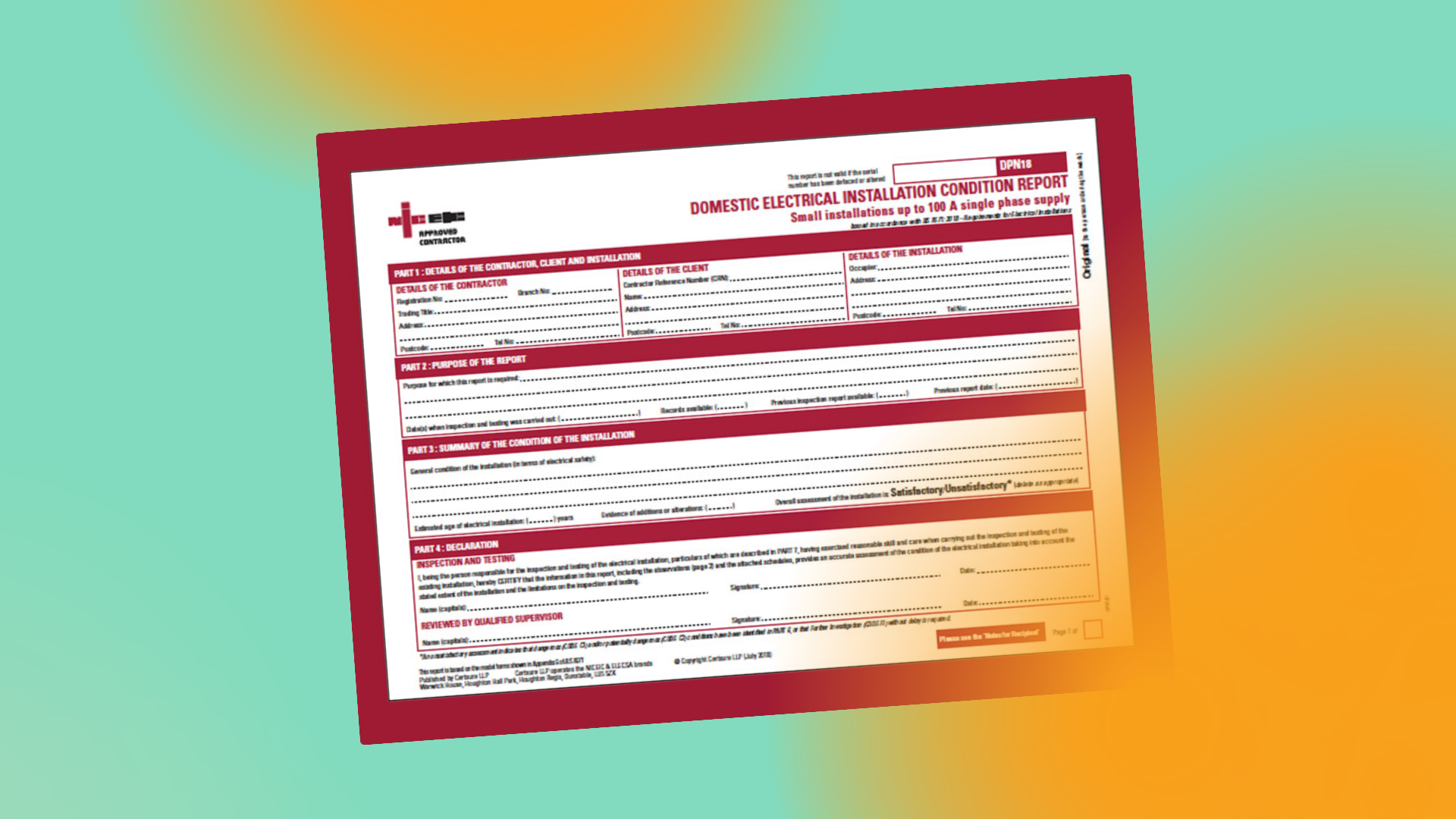
- A valid Electrical Installation Condition Report (EICR)
- A valid Energy Performance Certificate (EPC)
- HMO licence details, where the property is a licensed house in multiple occupation
Councils will be able to see the full record and cross-reference it against their own licensing data. That means they can identify a non-compliant property without waiting for a tenant to complain. Tenants and prospective tenants will get a public-facing view covering registration status and key property standards information, though the government is still confirming exactly which fields appear publicly.
When it happens
The database has been in testing through summer 2026. Rollout starts in late 2026 and runs region by region rather than switching on nationally overnight, with full coverage expected during 2027.
Landlords in Surrey, Sussex, Kent and London will not all be brought in at the same time, and the government has said it will give notice before each area goes live. The practical effect is that you may have a short window between finding out your area is next and needing a complete, in-date set of certificates ready to upload.
Why gaps in paperwork will cost more than they used to
Under the current system, an expired EICR or a missing CP12 tends to surface during a dispute, an inspection or an insurance claim. Under the database, it becomes visible as a matter of routine.
The penalties reflect that. A first civil penalty for letting or advertising an unregistered property can reach £7,000. Repeated breaches, or supplying false or misleading information, can reach £40,000 and can be pursued as a criminal offence. Tenants may also apply for a rent repayment order covering up to 24 months of rent.
There is a further consequence that matters just as much. A landlord who is not registered on the database will be blocked from obtaining a possession order except on a narrow set of grounds relating to serious criminal or anti-social behaviour. With Section 21 gone, that leaves very little room to manoeuvre if you need your property back.
Where appliance testing fits in
Portable appliance testing, now more accurately called Electrical Equipment Testing (EET), is not one of the database fields. That does not put it outside your obligations.
The Landlord and Tenant Act 1985 requires that electrical equipment you provide is safe at the start of the tenancy and stays safe throughout it, and the Electrical Safety Standards in the Private Rented Sector (England) Regulations 2020 place a continuing duty on you to keep electrical installations in safe working order. EET testing is the standard way of evidencing that you have met the appliance side of that duty. If your property sits under a selective, additional or mandatory licensing scheme, appliance testing may also be written into your licence conditions, at which point it is a hard requirement rather than good practice.
For furnished lets and HMOs, testing every 12 months is the usual benchmark, and the test record is what protects you if an appliance later causes an injury or a fire.
What to do before your area goes live
The work is straightforward, but it takes time to schedule across a portfolio:
- Pull together the current EICR, Gas Safety Certificate and EPC for every property and check the expiry dates
- Book anything expiring in the next twelve months now rather than waiting for the renewal date
- Clear any C1, C2 or FI codes outstanding on an EICR, since an unsatisfactory report is not a valid one
- Get landlord-supplied appliances tested and keep the register with the property file
- Confirm your HMO licence details are current and match the property record
- Store everything digitally, in one place, ready to upload
Landlords with a handful of properties can usually work through this over a few weeks. Portfolios and agency-managed stock need longer, particularly if inspections have drifted out of sync.
How Southern EET Testing can help
We carry out EICR testing, Electrical Equipment (PAT) testing, fire risk assessments, emergency lighting testing, extinguisher servicing and legionella testing across Surrey, Sussex, Kent and London. For landlords and managing agents, we can combine those into a single visit per property and return one clear set of documents, which is exactly the format the database will expect.
If you would rather sort the paperwork before the deadline finds you, take a look at our landlord services or get in touch for a portfolio quote.

Social Landlords Must Now Publish Electrical Safety Data as New Tenant Satisfaction Measure Kicks In