Social Landlords Must Now Publish Electrical Safety Data as New Tenant Satisfaction Measure Kicks In
From 11 June 2026, large social landlords in England are required to publish electrical safety test data for the first time, after the Regulator of Social Housing (RSH) finalised a new Tenant Satisfaction Measure (TSM) for electrical safety checks. Small landlords will follow from March 2027.
The move closes a gap that's existed since TSMs were introduced in 2022. Fire, gas, asbestos, water and lift safety were all covered from the start, but electrical safety was left out while government consulted separately on the issue. That consultation led to new rules last year requiring social landlords to carry out electrical safety checks at least every five years, and now the RSH has built a TSM around it, giving tenants a clear, published record of how their landlord is performing.
What's changing
Under the new TSM, registered providers will need to report and publish data on electrical safety checks alongside the other building safety measures already in place. The RSH says the requirement doesn't create any new legal duty, landlords should already be meeting the five-year testing cycle, but it does mean performance is now visible and comparable, in the same way fire and gas safety data already is.
Will Perry, director of strategy at the RSH, put it plainly: the TSM "does not change landlords' duties in meeting legal requirements relating to electrical safety, they should have been doing this anyway." What it does is give tenants and the regulator a baseline of assurance that checks are actually happening, and happening on time.
Why this matters for compliance now
Publishing test data means gaps in a landlord's electrical safety records are no longer a private administrative problem, they become a public performance figure. For any organisation still catching up on its five-year EICR cycle across a housing stock, this is the moment to get ahead of it rather than scrambling once reporting starts for 2026-27.
In practice for our clients, that means:
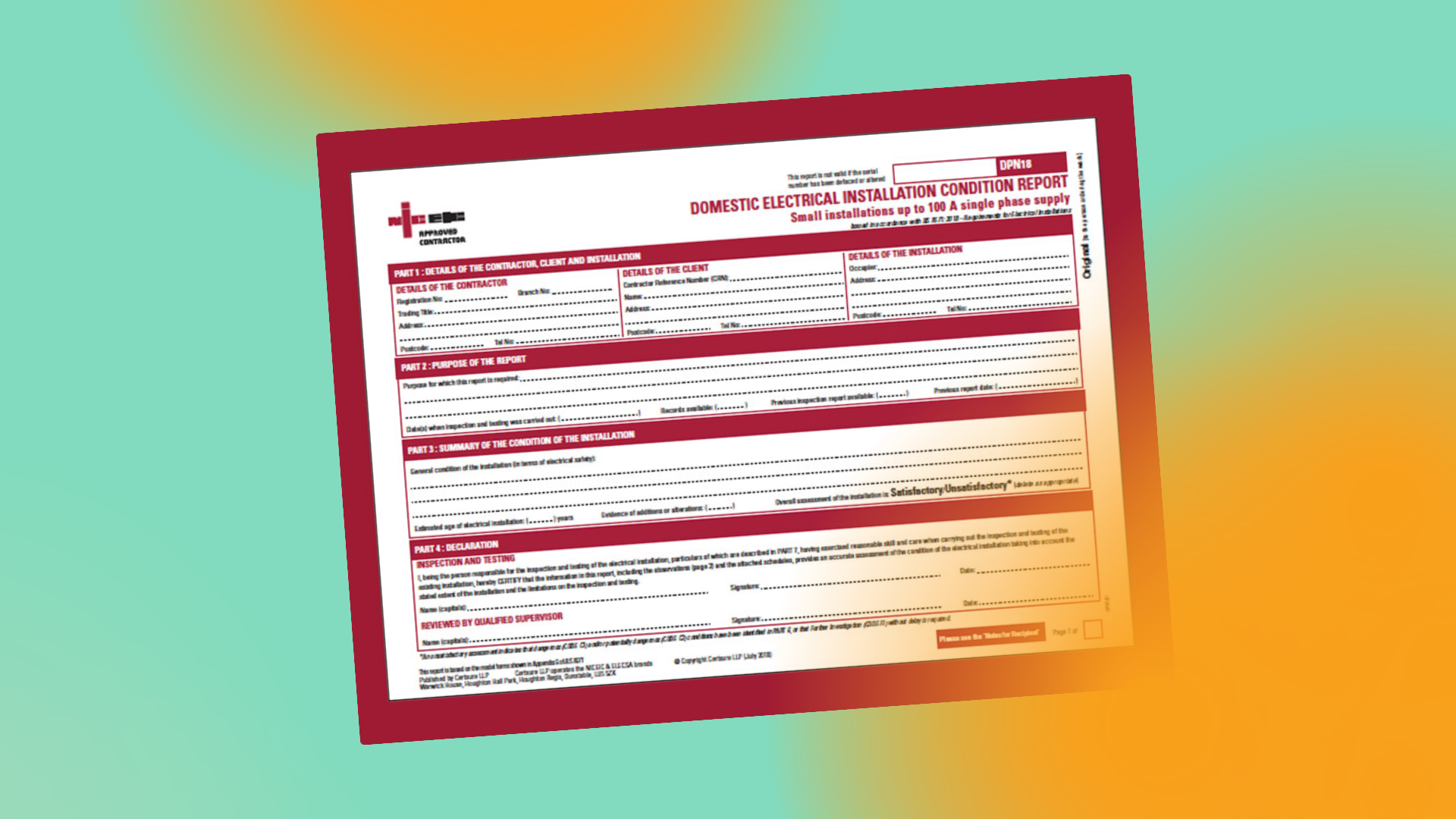
- Auditing when each property last had an Electrical Installation Condition Report (EICR) and flagging anything approaching or past the five-year mark
- Making sure certificates are properly logged and retrievable, not just filed away with individual contractors
- Building in enough lead time with a testing provider to clear any backlog before the reporting window opens
- Treating this as part of the same compliance picture as fire, gas and water safety, rather than a standalone task
Landlords already dealing with scrutiny over building safety compliance and last year's TSM data showed one in five tenants still dissatisfied with their landlord's services won't want electrical safety to be the visible gap in an otherwise solid record.
How Southern EET Testing can help
We work with social landlords, housing associations and letting agents across London, Surrey, Sussex and Kent to keep EICR and PAT/EET testing on schedule and properly documented along with many other landlord safety and testing services. If you manage a housing portfolio and aren't confident every property is within its five-year testing cycle, it's a good time to check.